


Quick answer: my top pick here is ADWITS Thermal Pad 9 Pack. Also in this guide: TRUEBOND Thermal Pad 20x67x2mm, Gelid GP-Extreme 12W 80x40x1.5mm, AR Thermal Pad 12W 1.5mm, TRUEBOND Thermal Silicone Pad.
Thermal pads look like a small accessory, but they matter a lot when you want stable temperatures inside a PC, laptop, SSD enclosure, console, LED setup, or compact electronics project. A good pad fills tiny gaps between a hot component and a heatsink, so heat moves out faster. If you use the wrong thickness or poor material, cooling drops, temperatures rise, and performance can dip during long gaming sessions, heavy rendering, or summer use in Indian cities.
When you pick a thermal pad, focus on thickness, thermal conductivity, softness, electrical insulation, and sheet size. Thickness is the first thing I check, because even a strong pad will not work well if the gap size is wrong. Conductivity figures like 6 W/mK or 12 W/mK give you a rough idea of heat transfer, but real-world fit and compression matter too. For Indian buyers, easy availability, pack value, and whether the brand or seller is easy to deal with also matter.
The products below suit different kinds of users. Some are better for repair work where you need multiple thickness options. Others make more sense for SSDs, VRAM, laptop cooling, or repeated DIY jobs. I have kept the focus on practical use for Indian consumers, where heat, dust, long work hours, and value for money all affect what feels worth buying.
ADWITS Thermal Pad 9 Pack

This assorted pack works well for buyers who need multiple thickness options in one purchase. It suits SSDs, chipsets, laptop repairs, and small electronics where gap size is not fixed.
Pros
- Three thickness options in one pack
- Rated 6.0 W/mK thermal conductivity
- Easy to trim for custom fit
- Insulating and wide operating temperature range
Cons
- Lower conductivity than 12 W/mK options here
- Small strip format limits larger jobs
- Generic brand presence is modest in India
- Not ideal if you need one exact thickness in bulk
The ADWITS 9 Pack is the safe pick for first-time thermal pad buyers. You get 0.5 mm, 1.0 mm, and 1.5 mm sheets in the same box, which reduces guesswork during repairs. If you are opening an old laptop, replacing an SSD pad, or working on a compact heatsink where the original thickness is unclear, this kind of pack saves time and stress.
Its 6.0 W/mK rating is not the highest in this list, yet for many normal jobs, fit matters more than chasing the biggest number. The pad is soft, easy to cut, and made for a wide temperature range. That makes it useful for Indian conditions where systems often run in warm rooms without central cooling. The material is also electrically insulating, which gives extra peace of mind when you are working around sensitive components.
This is a practical value option for hobby users, repair learners, and anyone who wants flexibility before buying a larger single-thickness sheet. Since ADWITS is not a major service-heavy brand in India, support will mostly depend on the seller and platform return policy. Even so, for routine DIY cooling work, the pack format makes a lot of sense.
TRUEBOND Thermal Pad 20x67x2mm
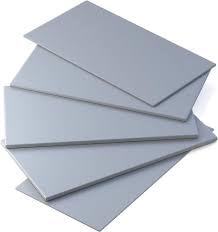
This TRUEBOND pad is aimed at users who need a thicker 2 mm gap filler with higher heat transfer. It fits SSDs, GPUs, laptops, and compact consumer electronics where the cooler does not sit flush.
Pros
- 12 W/mK conductivity rating
- Useful 2 mm thickness for bigger gaps
- Pack of five for repeated use
- Works across PCs, laptops, SSDs, and electronics
Cons
- Only one thickness in the pack
- Small sheet size for large heatsinks
- Brand support is limited compared to global cooling brands
- Thickness may be too much for some SSD and VRM jobs
TRUEBOND’s 20x67x2 mm thermal pad is made for situations where a thinner sheet will not make proper contact. Many laptops, GPU memory modules, and enclosure-based cooling setups need a pad with enough body to bridge the space cleanly. In those cases, a 2 mm option like this becomes useful, especially if the original pad has compressed or torn during service.
The quoted 12 W/mK conductivity puts it in the stronger group among budget-friendly options. For Indian users who push gaming laptops, use NVMe SSDs in hot weather, or keep systems running through long workdays, this type of pad helps maintain better heat transfer when installed correctly. The five-pack format is also handy if you repair more than one device or want spare pieces for future use.
TRUEBOND is more of a marketplace-driven name than a big retail cooling brand with a known offline service network in India. So I would treat this as a product buy, not a brand support buy. If you already know the required thickness and want a thicker pad for direct replacement work, this one is a sensible choice.
Gelid GP-Extreme 12W 80x40x1.5mm

The Gelid GP-Extreme is the most established enthusiast-grade option in this list. It suits users who want a trusted thermal pad for GPUs, laptops, consoles, memory modules, and premium DIY cooling work.
Pros
- Well-known thermal brand among PC enthusiasts
- 12 W/mK conductivity rating
- Larger sheet than most options here
- Non-conductive, non-corrosive, and easy to handle
Cons
- Single sheet pack may feel limited for repeated repairs
- You need correct thickness planning before purchase
- Usually less flexible in value than generic multi-pack options
- Availability can vary across Indian sellers
If you want the most confidence-inspiring pick in this group, Gelid GP-Extreme stands out quickly. Gelid has a stronger name in enthusiast PC cooling circles, and that matters when you are replacing pads on a GPU, console, gaming laptop, or memory modules where mistakes are costly. The 80×40 mm sheet also gives more working area than the smaller strip-based products in this list.
The 1.5 mm thickness hits a sweet spot for many VRAM, VRM, and laptop cooling jobs. With a 12 W/mK rating, the pad is built for better heat transfer than entry-level sheets. More important, Gelid pads are known for easy handling, clean cutting, and stable contact. In Indian summer conditions, where internal component temperatures rise faster, a dependable thermal interface material is worth paying attention to.
Gelid does not have the sort of widespread consumer service footprint in India you see with large laptop or phone brands, yet within the PC parts market, its reputation is stronger than many generic names. You will mostly depend on the seller for fulfillment, but the product itself carries better trust. For builders and serious upgraders, this is the one I would shortlist first.
AR Thermal Pad 12W 1.5mm

AR’s 1.5 mm pad pack is a practical option for users who already know the thickness they need. It works for SSDs, RAM, GPUs, laptops, and general cooling repairs.
Pros
- 12 W/mK conductivity rating
- Pack of five is useful for repeat jobs
- Suitable for many component types
- Simple size for quick cutting and placement
Cons
- Generic branding with limited long-term trust
- Small sheets restrict bigger applications
- Product listing quality feels less polished
- No thickness variety in one pack
The AR 12W 1.5 mm thermal pad sits in the practical middle ground. It gives a decent conductivity figure, a common thickness, and enough pieces for people who do regular maintenance. If you work on laptops, SSD heatsinks, RAM heat spreaders, or GPU memory sections, 1.5 mm is often one of the more useful sizes to keep around.
What I like here is the repeat-use value. A lot of buyers in India service older laptops at home instead of replacing them quickly, and a five-pack helps during those repair cycles. The pad also suits electronics users who build small projects, LED cooling setups, or battery management assemblies where soft thermal contact matters. The main condition is simple, you should already be sure about the thickness requirement.
AR does not have a strong brand identity or visible support chain in India, so the buying experience depends a lot on the seller. Still, if your goal is function over branding, and you need multiple 1.5 mm pieces for common repair work, this is a fair option with broad use cases.
TRUEBOND Thermal Silicone Pad 50x50x0.5mm
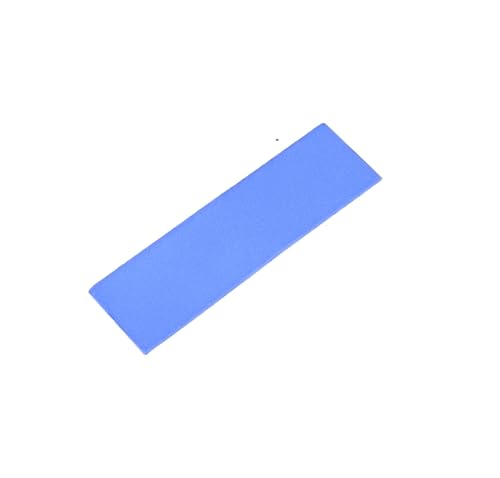
This TRUEBOND sheet is best for buyers who need a thin pad for tight contact surfaces. It suits SSDs, chipsets, compact boards, and spots where thicker material would reduce heatsink pressure.
Pros
- Thin 0.5 mm format for tight gaps
- 12 W/mK conductivity rating
- Larger square sheet gives cutting flexibility
- Soft material suits uneven surfaces
Cons
- Single sheet pack is less useful for bulk repair work
- Too thin for many GPU and laptop memory jobs
- Brand support is basic
- No assorted thickness options
TRUEBOND’s 50x50x0.5 mm sheet is the specialist option in this roundup. Thin thermal pads are important because many heatsinks are designed with precise mounting pressure. If you install a thicker pad where a 0.5 mm one is required, contact can worsen instead of improving. This product is a better fit for SSD controllers, chipsets, low-gap cooling points, and compact electronics where a slim interface is needed.
The square format gives more freedom than narrow strips. You can cut small squares, long rectangles, or custom shapes without wasting too much material. For Indian PC users who install aftermarket SSD heatsinks or refresh aging mini PCs and routers, this is the sort of size that feels handy in a toolkit. The 12 W/mK rating also puts it above basic entry-level pads on paper.
As with the other TRUEBOND option here, brand support is mostly seller-led. There is no major nationwide service identity to lean on. Still, if you know you need a thin pad and want better sheet usability than strip-style packs, this one is a smart buy for targeted cooling work.
Buying Guide
1. Measure thickness before buying
This is the first step. Thermal pads are not like paste where you spread one amount and move on. If your device needs 0.5 mm and you install 1.5 mm, the heatsink may not sit properly. If the pad is too thin, contact will be weak and temperatures may stay high. Check the service manual, old pad measurement, or user forum for your device model before you order.
2. Thermal conductivity numbers matter, but fit matters more
A higher W/mK figure sounds better, and in many cases it is better. Still, a perfectly sized 6 W/mK pad often beats a badly chosen 12 W/mK pad. Compression, softness, and correct placement decide real heat transfer. Use conductivity as one factor, not the only factor.
3. Pick sheet size based on your job
Small strips are fine for one SSD or a few VRM chips. Larger sheets are better for GPU memory, console repair, and repeated DIY work. If you often open devices at home, buying a larger sheet or a multi-pack reduces waste and saves effort later.
4. Know where thin and thick pads are used
0.5 mm pads suit tight-contact zones like SSD controllers, some chipsets, and compact electronics. 1.0 mm and 1.5 mm pads are common in laptops, VRMs, and memory modules. 2.0 mm pads are useful where the gap is bigger, but they should only be used when the hardware calls for them.
5. Electrical insulation is important
Most good thermal pads for consumer use are non-conductive. This gives you a safer margin around exposed contacts and compact PCB layouts. If you are working inside a laptop, graphics card, or mini PC, always choose a pad intended for electronics, not a random industrial filler.
6. Think about Indian heat and long duty cycles
Ambient temperatures in many Indian homes stay high for months. Add dust, compact cabinets, and long gaming or editing sessions, and internal heat rises fast. A proper thermal pad helps keep SSDs, VRMs, and chips from running hotter than needed. If your room has poor airflow, pad quality becomes more important.
7. Brand trust and seller reliability both matter
With thermal pads, many products come from marketplace-first brands. So check recent buyer feedback, packaging quality, and return support. Known brands like Gelid usually bring better trust in material consistency, while generic brands often give better pack value. Choose based on how risky your repair job is.
8. Do not replace paste with pad unless the design asks for it
Some buyers assume a thermal pad is an easy swap for thermal paste on every CPU or GPU die. That is a mistake in many cases. Pads are meant for gap-filling surfaces where the design expects a pad. Bare dies usually need paste unless the manufacturer specifies a pad.


