Gaming devices are no longer a niche buy in India. Students want a compact machine for casual play after classes, working professionals want a handheld for travel, and serious players want desktop-grade frame rates at home. The right device changes the whole experience. Screen quality, controls, storage, thermals, and after-sales support matter a lot more than flashy marketing lines.
When I look at gaming hardware for Indian buyers, I pay attention to real-life use. Summer heat, long power cuts in some areas, mixed Wi-Fi quality, and service access outside metro cities all affect your purchase. A handheld that gets too warm, a PC with weak support, or a device with limited storage starts feeling like a bad deal fast. Your budget matters, but value for money matters more.
This list mixes handheld gaming PCs, simple retro handhelds for kids, and one full gaming desktop. The products are different, but each one serves a clear type of user. If you want portable AAA gaming, family-friendly retro play, or a home setup for high-end titles, this guide helps you pick the right fit for the Indian market.
ASUS ROG Xbox Ally

This is the more accessible 2025 ROG handheld for people who want PC gaming on the move without stepping into the top-end segment. It mixes a fast 120Hz screen, Windows flexibility, and familiar Xbox-style controls in a compact body.
Pros
- Sharp 7-inch FHD 120Hz touchscreen with FreeSync Premium
- 16GB LPDDR5X RAM and 512GB PCIe 4.0 SSD suit modern gaming use
- Dual USB-C ports add charging and display flexibility
- ASUS service presence in India is stronger than many niche handheld brands
Cons
- 512GB storage fills up quickly with large PC games
- Ryzen Z2 A is weaker than the Extreme chip in the higher model
- Windows on handhelds still needs some setup and tweaking
- Battery life will depend heavily on game type and power profile
The ASUS ROG Xbox Ally feels like a serious portable PC rather than a toy. You get a 7-inch Full HD touch display with 120Hz refresh rate, 500 nits brightness, Gorilla Glass protection, and FreeSync Premium. For Indian users who often play indoors under tube lights or near windows, that brighter screen helps. The full-size analog sticks, hall effect triggers, HD haptics, and Xbox Game Bar integration make the machine easier to live with from day one.
Inside, the Ryzen Z2 A chip, 16GB LPDDR5X memory, and 512GB PCIe 4.0 SSD give you a balanced setup for indie games, esports titles, cloud gaming, and many mainstream PC releases at sensible settings. Windows 11 Home brings access to Xbox, Steam, Epic Games, and older PC titles in one device. I also like the pair of USB-C ports and the microSD slot, because storage and accessory support matter a lot once your library grows.
For Indian buyers, ASUS has one clear advantage over many imported gaming handheld names, service reach. The brand has a known support network in major cities and a better chance of spare part access than lesser-known sellers. This does not remove all handheld PC headaches, but it does reduce risk. If you want a proper gaming handheld with broad game store access and a cleaner support story in India, this model makes sense.
ASUS ROG Xbox Ally X
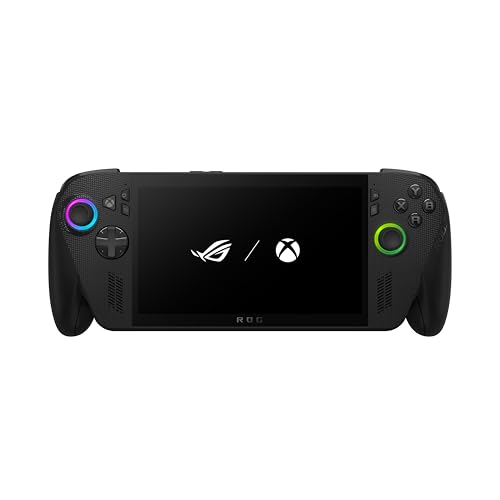
The Ally X is the stronger handheld in this list, aimed at players who want more headroom for demanding games, more memory, and more built-in storage. It suits buyers who want fewer compromises from a Windows gaming handheld.
Pros
- Ryzen AI Z2 Extreme chip offers much higher performance headroom
- 24GB LPDDR5X RAM helps with newer games and multitasking
- 1TB PCIe 4.0 SSD is better for large game libraries
- USB4 support improves dock, display, and accessory options
Cons
- Heavier body than the standard Ally
- Windows handheld experience still needs occasional tuning
- Integrated graphics still have limits in the newest AAA titles
- Premium hardware brings a steeper buying decision
The ASUS ROG Xbox Ally X is the one I would look at if handheld gaming is going to be your main platform, not a side gadget. The Ryzen AI Z2 Extreme processor, 24GB LPDDR5X memory at 8000MT/s, and 1TB PCIe 4.0 SSD put this model in a stronger class. This extra memory matters on Windows handhelds because system overhead, background apps, and modern game demands all eat into available resources.
The display stays familiar, 7-inch, Full HD, 120Hz, 500 nits, touchscreen, FreeSync Premium. That is a good thing, because the panel specs are already well judged for handheld use. The added USB4 port is more useful than many buyers first think. If you plan to connect docks, monitors, external storage, or other accessories, that extra bandwidth makes daily use smoother. Hall effect triggers and full-size sticks also help the machine feel more like a proper console in hand.
For Indian users, this model fits buyers who want one travel-friendly gaming machine with enough strength for a wide mix of titles. ASUS again has the edge of an established brand and a visible service network in India. Service quality still varies by city, but brand familiarity matters when you spend on a premium gaming device. If your goal is the strongest handheld here with better long-term breathing room, the Ally X stands out.
Storio Pocket Video Game 400 in 1

This small retro handheld is built for simple fun, especially for children or anyone who wants old-school games without setup work. It is easy to carry, easy to charge, and easy to hand over to a child during travel.
Pros
- 400 built-in games with no downloads needed
- Rechargeable design is convenient for travel use
- TV output adds family play value
- Compact and simple for younger users
Cons
- Game quality and variety may feel repetitive
- Small screen is not ideal for long sessions
- Build quality is usually basic in this segment
- Brand service and spare support are limited in India
The Storio Pocket Video Game 400 in 1 is a different type of device from the ASUS handhelds, and that is fine. This one is for quick retro fun. Kids do not need logins, app stores, updates, or storage management. You switch it on and start playing. That simplicity matters in Indian homes where a device often gets shared between siblings or packed into a school holiday travel bag.
Its biggest strength is low-friction entertainment. A rechargeable battery is more practical than repeatedly buying cells, and TV output adds a nice touch for casual living room use. For train journeys, family functions, or quiet time at home, a pocket-size retro console like this works because there is no learning curve. Parents who want screen time with light arcade and puzzle games may find this format easier to manage than a full smartphone.
You do need realistic expectations. These retro handhelds usually focus on quantity over polish, and the body quality is often average. Service support is also nowhere near what you get from a major electronics brand in India. If you treat it as an affordable fun device for kids and short sessions, it does the job well. If you expect premium controls or deep gaming, this is not the right lane.
Storio G5 Handheld Game Console
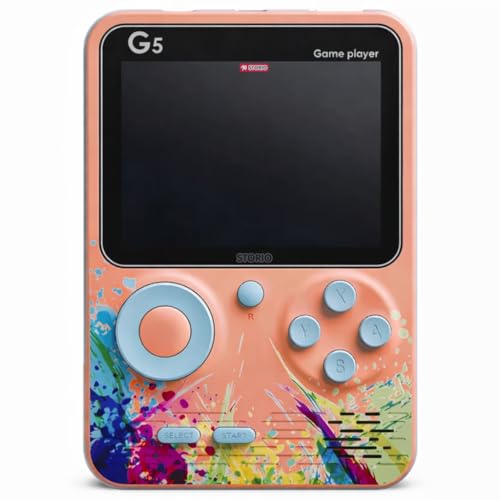
The Storio G5 is a kid-friendly retro handheld with a 3.0-inch display, 500 built-in games, and AV output for TV play. It suits parents looking for a straightforward gift with instant entertainment value.
Pros
- 500 preloaded classic games offer instant out-of-box use
- 3.0-inch HD color display is better suited to children than ultra-tiny panels
- AV output helps in shared family gaming sessions
- Portable and lightweight design is easy for kids to hold
Cons
- Retro game libraries often include repeated or similar titles
- Performance and controls are basic by design
- Long-term durability may depend on how carefully it is used
- After-sales support is limited compared with bigger brands
The Storio G5 takes the same basic idea as many retro handhelds and presents it in a friendlier package for children. The 3.0-inch HD color screen is a useful step up for visibility, especially for younger users who struggle with tiny displays. Bright colors and simple controls make the console approachable, which is exactly what many parents want when buying a first gaming gadget.
The 500 built-in games cover the usual mix of arcade, action, racing, puzzle, and adventure titles. I would not buy this type of device expecting carefully curated classics. I would buy it for convenience. During holidays, road trips, or visits to relatives, a self-contained handheld saves your phone battery and gives kids something familiar to do. AV output also helps if the family wants to shift the action to a TV for a while.
Support is the weak point, like most products in this segment. You are depending more on seller reliability than on a wide service network in India. Even so, as a gift item or a simple starter gaming device, the G5 makes sense. The appeal here is ease. Charge it, hand it over, and the fun starts quickly.
CyberPowerPC Gamer Xtreme VR GXiVR8060A34

This desktop is for buyers who want a fixed gaming setup with stronger graphics, more storage, and better upgrade options than any handheld device. It suits home gamers who care about high frame rates, larger displays, and VR-ready hardware.
Pros
- Intel Core i5-14400F and RTX 5060 Ti are well suited for modern PC gaming
- 2TB PCIe 4.0 SSD gives far more breathing room than handheld storage
- Desktop form factor offers easier upgrades and cooling potential
- Wi-Fi 6, multiple USB ports, and tempered glass case add practical value
Cons
- Not portable in any sense
- Brand support in India may be less straightforward than mainstream local PC brands
- Prebuilt desktop service logistics can be harder outside major cities
- Needs separate monitor and peripherals for a full setup
The CyberPowerPC Gamer Xtreme VR is the outlier in this list, but I included it because some buyers start by looking at gaming handhelds and then realize they want raw performance at home. This system uses an Intel Core i5-14400F, RTX 5060 Ti 8GB, 16GB DDR5 memory, and a 2TB PCIe 4.0 SSD. That combination is in a different league from handheld hardware when you want higher settings, better frame rates, streaming potential, or a larger screen setup.
A desktop also makes more sense for Indian weather in some homes. Handheld PCs pack a lot of heat into a small frame, while a tower has more room for airflow. If your room gets hot in summer and your gaming sessions are long, a desktop setup is easier to manage. The tempered side panel and RGB lighting give it the typical gaming-PC look, but the more important part is expansion. Storage, RAM, cooling, and some components are much easier to change later.
My main caution is support. CyberPowerPC is known as a prebuilt gaming PC brand, but service convenience in India is not at the same level as a local custom PC builder or a major laptop brand with a wider service map. The listing mentions one-year parts and labor warranty plus lifetime tech support, which helps on paper. Still, buyers in smaller towns should think about shipping and repair logistics before ordering. If your goal is proper home gaming and you do not need portability, this is the strongest performer in this list.
Buying Guide
Pick the right type of gaming device first
Before checking specs, decide how you will play. A handheld gaming PC like the ASUS models suits travel, hostel life, and sofa gaming. A retro handheld suits kids and short casual sessions. A desktop suits home users who want better graphics, upgrade options, and longer play sessions. Many wrong purchases happen because buyers compare all gaming products as if they serve the same job.
Performance matters, but so does thermal behavior
Processor and graphics decide how smoothly games run. On handhelds, you also need to think about heat and battery drain. A compact body with a fast chip sounds great, but sustained gaming in Indian summer conditions is harder on small devices. If you play heavier titles for long sessions, a stronger cooling setup or a desktop form factor makes more sense.
RAM and storage affect daily use more than most people expect
Modern PC games are large, and Windows itself uses memory in the background. For gaming handhelds, 16GB is a decent entry point, while 24GB gives more breathing room for newer titles and multitasking. Storage is equally important. A 512GB SSD fills fast once you install a few AAA games. A 1TB or 2TB drive saves you from constant uninstalling, and a microSD slot helps for lighter titles and media.
Display quality changes the feel of gaming
A better display is not only about resolution. Refresh rate, brightness, touchscreen response, and glass protection all matter. On handhelds, a 120Hz screen feels smoother in menus and supported games. Brightness is useful when you play near windows or under strong room lights. For kids’ retro consoles, screen size and color clarity matter more than top-end specs because comfort and visibility are the main goals.
Check ports, connectivity, and expansion
Ports shape how flexible your device is. USB-C with display output helps if you want to connect a monitor or TV. USB4 is a plus for docks and fast accessories. Wi-Fi 6E is useful for downloads and cloud gaming if your router supports it. On desktops, count USB ports before buying because gaming setups often add keyboards, mice, headsets, controllers, and storage drives.
Service support in India should influence your choice
This part gets ignored too often. A product with decent specs but weak support becomes stressful when something goes wrong. ASUS has a clearer service footprint in India than many smaller gaming handheld brands. Retro handhelds often depend on seller support rather than a proper national service chain. Imported prebuilts also need extra thought because parts replacement and shipping take time.
Think about who will use the device
For adults who play Steam, Xbox, or Epic titles, a Windows handheld or desktop is the right path. For children, simpler is often better. A retro device with built-in games avoids app purchases, passwords, and online distractions. If the device is a gift, simple controls, sturdy construction, and easy charging often matter more than raw specifications.
Feature Importance
| Feature | Importance |
|---|---|
| Processor and graphics performance | High |
| RAM capacity | High |
| Storage size and speed | High |
| Display quality and refresh rate | High |
| Battery life for handhelds | High |
| Cooling and thermal control | High |
| Ports and connectivity | Medium |
| Build quality and ergonomics | Medium |
| Warranty and service network in India | High |
| Upgrade potential | Medium |